Game Guides · Explainer 3/6
Roulette Odds Explained: Payouts vs Real Chances
2 min
Worth rememberingEvery roulette bet has two numbers: the chance it wins and what it pays. The difference between them is where the casino makes its money.
For adults 18+. Gambling should only ever be entertainment paid for with money you can afford to lose.
Roulette looks like pure chance, and it is — but every bet on the table comes with two numbers worth knowing: the probability that it wins, and the amount it pays when it does. The gap between those two numbers is the house edge, and it is built into every spin.
Counting the pockets
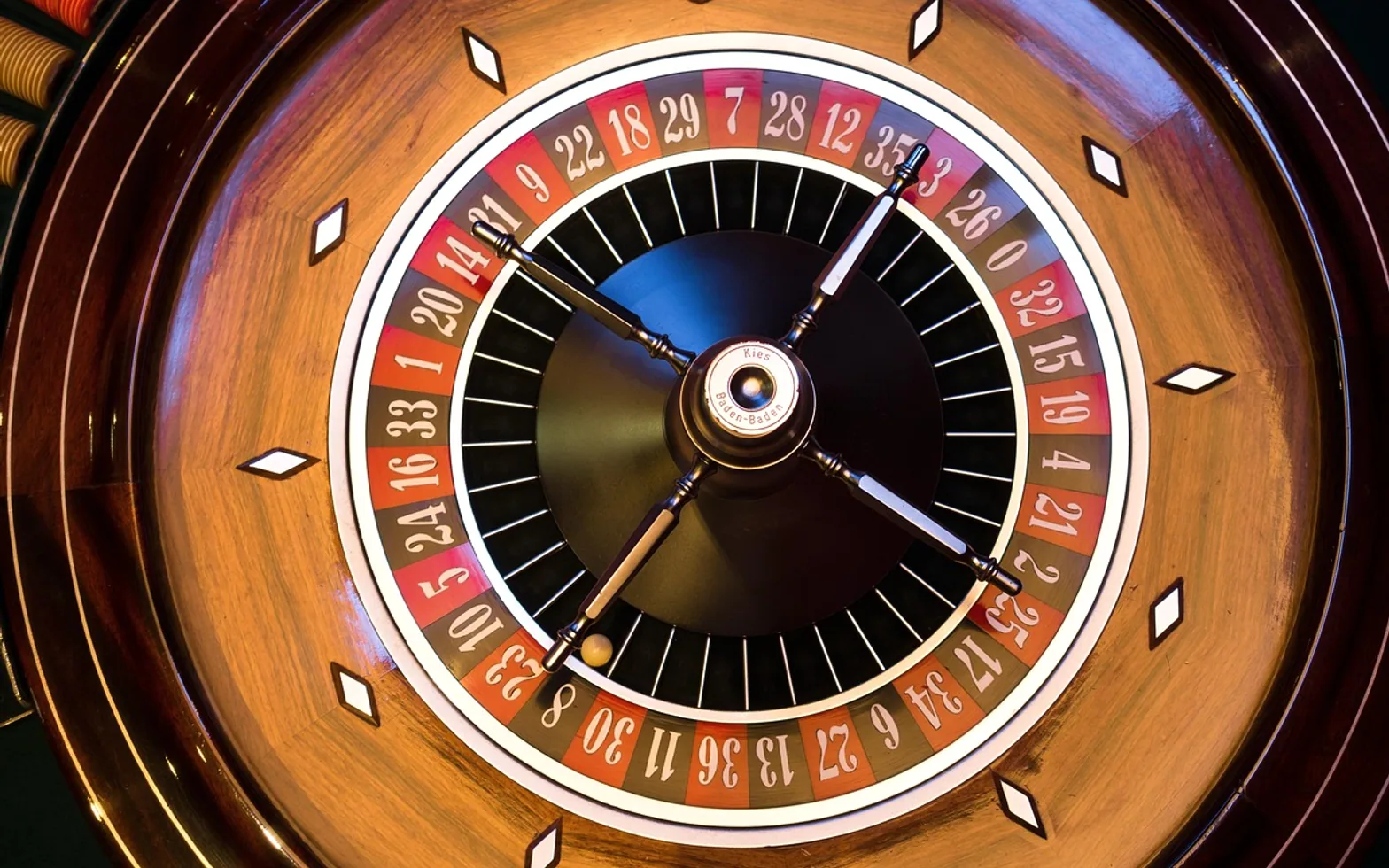
A single-zero wheel has 37 pockets: the numbers 1 to 36 plus one zero. A double-zero wheel has 38, adding a 00. The zero pockets matter more than anything else on the table, as we explain in European vs American roulette.
Chance vs payout, bet by bet
On a single-zero wheel:
- Straight up (one number): 1 pocket in 37 wins; the payout is 35 to 1. A fair payout would be 36 to 1.
- Split (two numbers): 2 in 37; pays 17 to 1.
- Street (three numbers): 3 in 37; pays 11 to 1.
- Dozen or column (12 numbers): 12 in 37; pays 2 to 1.
- Red/black, odd/even, high/low (18 numbers): 18 in 37 — slightly under half, because the zero belongs to neither side; pays even money.
Where the edge comes from
In every case, the payout is set as if the zero didn’t exist. That small shortfall gives the casino an edge of about 2.7% on a single-zero wheel, whichever standard bet you choose. On a double-zero wheel it rises to about 5.26%.
What this means at the table
- No combination of bets removes the edge; they all share it.
- Past results don’t change the next spin — a red streak doesn’t make black “due”.
- Betting systems that raise stakes after losses only change how quickly money can disappear.
To see where each bet sits on the layout, read reading a roulette table.
Keep it a game
Set a budget and a time limit before you start — our guide to deposit and time limits shows how.