12 explainers · 28 min
Casino
- From One-Armed Bandits to Digital Spins: How Online Slot Games Keep Players Hooked
- How Online Slots Spark Imagination and Thrills
- Bankroll Brilliance: Smart Money Moves for Long-Term Slot Wins
No small print left unread
Rules, odds, bonus terms and the habits that keep play affordable — set out clearly, so nothing is left in doubt before a single chip moves.
12 explainers · 28 min
10 explainers · 20 min
6 explainers · 11 min
6 explainers · 19 min
6 explainers · 22 min
5 explainers · 12 min
First steps
Three explainers that set the tone for everything else on the site.
 Return to Player, Volatility, and Progressives: Reading the Numbers Behind Online Slot GamblingWhat the figures on a game information screen actually mean.2 min
  Setting Deposit and Time Limits Before You PlayThe guardrails worth putting in place on day one.2 min
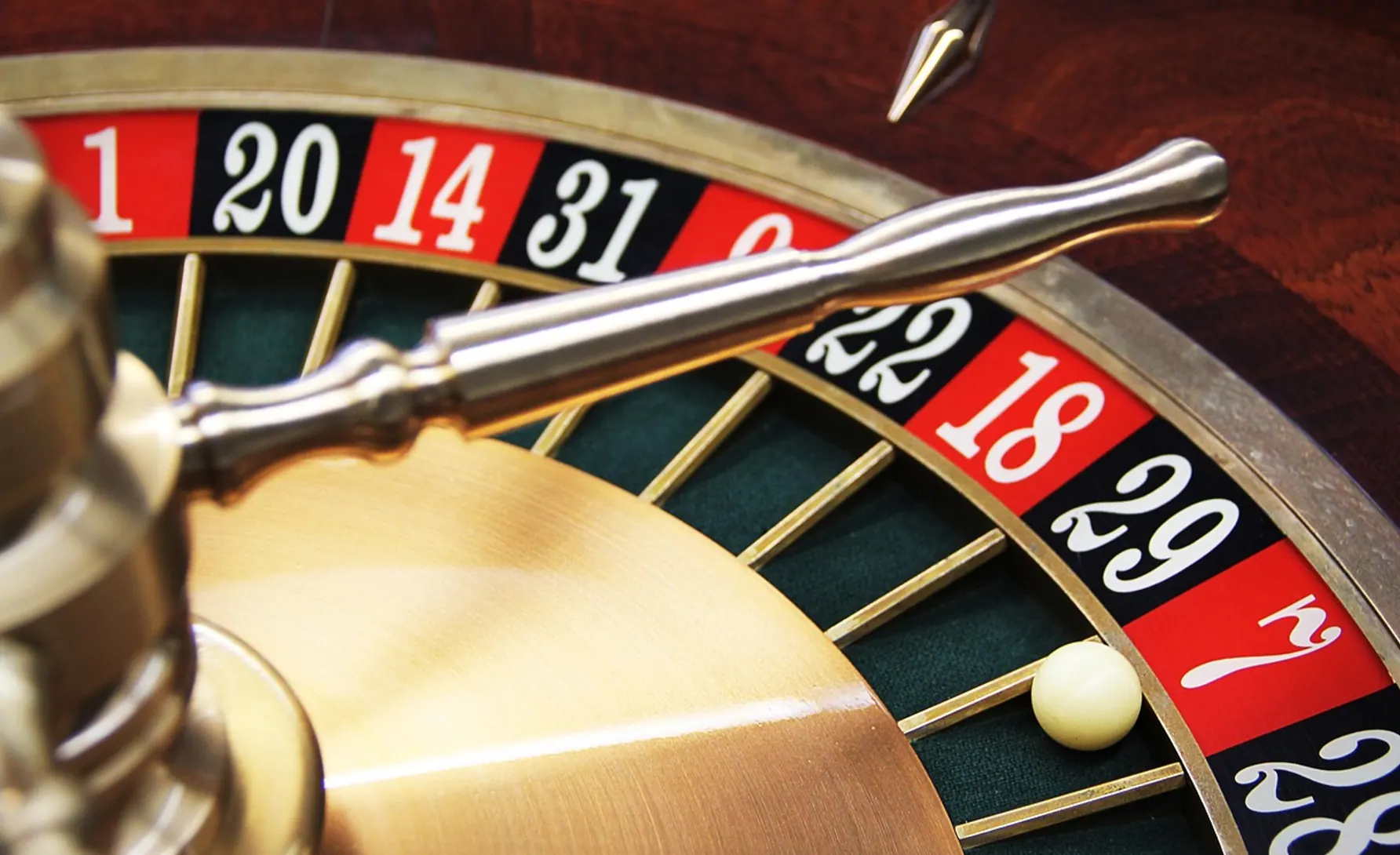
  Roulette Odds Explained: Payouts vs Real ChancesWhy the advertised payout and the true chance of winning are two different numbers.2 min
 Required reading · Responsible Play
2 min

"Responsible gambling" can sound like a lecture. In practice, it's simply the set of habits that keep slots in their proper place: an enjoyable pastime with a clear cost, not a source of stress. The good news is that these habits are simple, and most of them take only a minute to set up.
Slots are fast, colourful and always available online. Those qualities make them entertaining, but they also make it easy to lose track of time and money. A few guardrails keep the experience positive and protect everything else in your life — finances, sleep, relationships and work.
Decide how much you're willing to spend this week or this session, and treat it as spent the moment you deposit. Use the deposit limit settings that licensed sites provide so the decision is made while you're calm, not in the middle of a game.
Set an alarm or turn on the site's reality-check reminders. Take regular breaks — stand up, get a drink, look away from the screen. Breaks interrupt the rhythm of spin after spin and give you a chance to ask whether you're still enjoying yourself.
Avoid playing when you're stressed, upset, tired or have been drinking. Those are the moments when people chase losses or raise stakes impulsively. If gambling has become a way to escape difficult feelings, that's an important sign to step back.
If gambling is affecting your money, relationships or mental health, support is available. Peer-support groups and national helplines offer confidential help in many countries, and licensed casinos must provide self-exclusion and cooling-off options. Some operators, including sites such as aw8 login, put limit and support tools directly in the account area — it's worth knowing where they are before you need them.
Gambling that you'd be comfortable talking about with friends or family is usually gambling that's under control. Secrecy is often an early warning sign.
Once a month, look back: how much did you spend, how much time did you play, and did you enjoy it? Honest answers to those three questions are the best guide to whether your habits need adjusting.
18+ only. Gambling should always be optional, affordable and fun.
The number every game hides
The average share of each stake a game keeps over the long run. Lower is better for the player, but every figure here is still in the casino’s favour.
Long-run averages: any single session can go either way, and no strategy removes the edge.
Jargon buster
Short definitions; the full list lives on its own page.
Our method
Official game rules, paytables and published terms come first.
No promised wins, no invented figures, no pressure to sign up.
Legal limits and money risks are named, not buried.
Pages are updated when rules or terms change.
Straight answers
Something missing? The contact page reaches a real inbox.
No. This is an independent explainer site. Some articles link to outside websites, but we do not operate games or take bets.
No guide can remove the house edge. The aim is understanding: knowing what you are paying for and where the risks sit.
That depends entirely on your country and region, and in several countries it is banned. Check local law before going any further.
Take a break, use the self-exclusion tools on any account you hold and contact a support service. Our safer gambling page lists first steps.
Gambling is entertainment with a price tag — never a plan for paying bills or clearing debt.
An occasional note when a guide is added or a rule change is worth knowing about. No offers, no bonus codes.